A land of ancient cities, old trade routes, and warm hospitality at the heart of Central Asia.
Quick Facts at a Glance
Capital
Tashkent
Language
Uzbek
Population
~36 million
Time Zone
UTC+5 (UZT)
Long before it was a country on a map, this land was a waypoint — the place merchants, scholars, and armies passed through on their way somewhere else, and often chose to stay. Silk, paper, and mathematics moved through here as often as spices and silver.
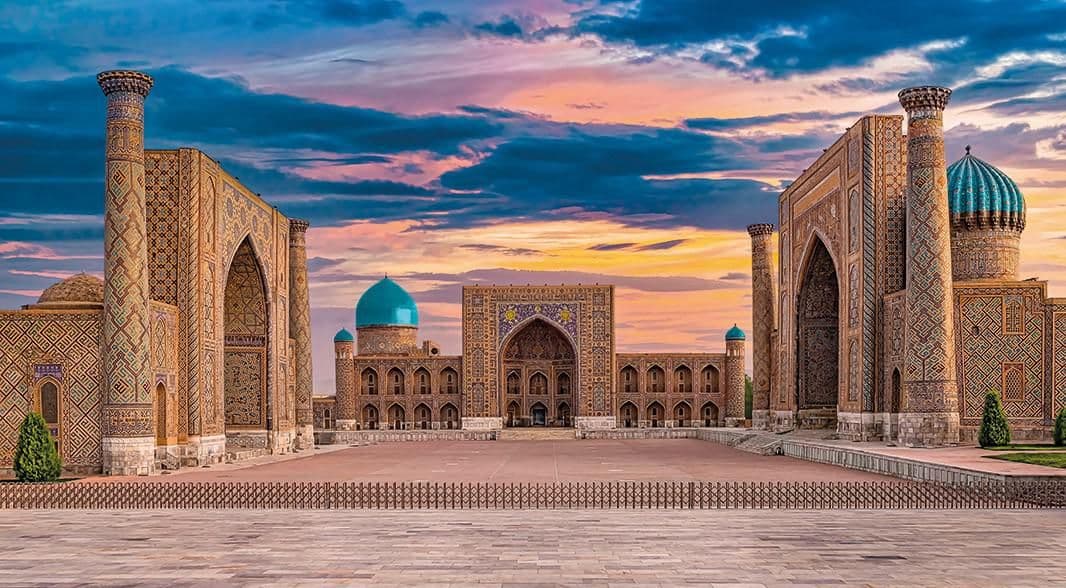
Samarkand, Bukhara, and Khiva grew rich on that traffic, and still carry the fingerprints of Alexander the Great, Genghis Khan, and the empire-builder Amir Timur, who made Samarkand his capital and filled it with the turquoise-domed monuments that define the region today.
It was also a place of ideas: al-Khwarizmi's algebra, al-Fergani's astronomy, and Ibn Sina's medicine all trace back to scholars raised or trained in this region.
Three crafts that still shape everyday life here.
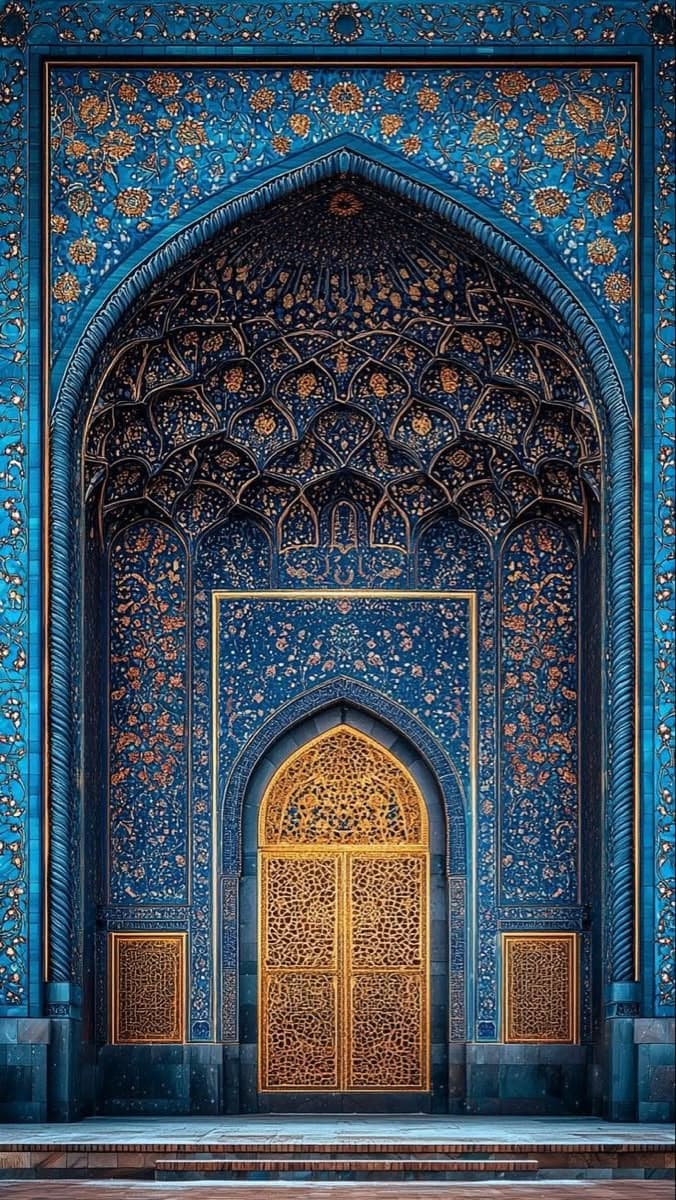
Cobalt and turquoise majolica tiles cover the madrasas and mausoleums of Samarkand, Bukhara, and Khiva — three historic centers now protected as UNESCO World Heritage sites.
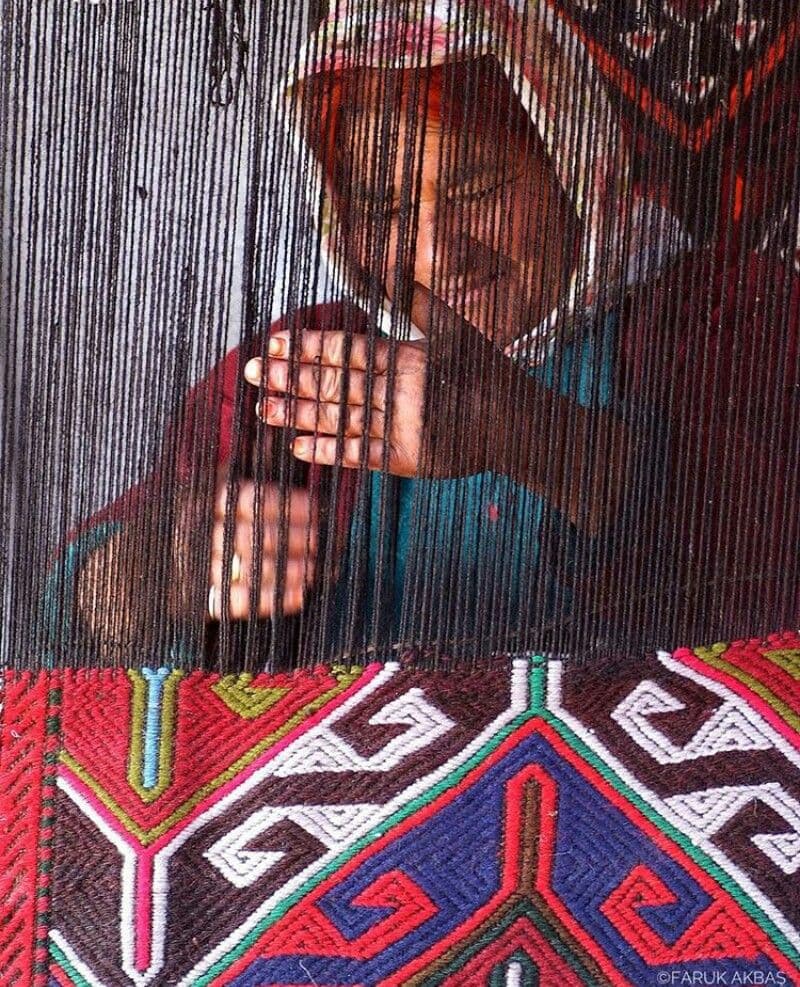
Fergana Valley weavers still hand-dye and hand-loom ikat silk, while suzani embroidery — bold floral needlework once made for a bride's dowry — decorates homes across the country.
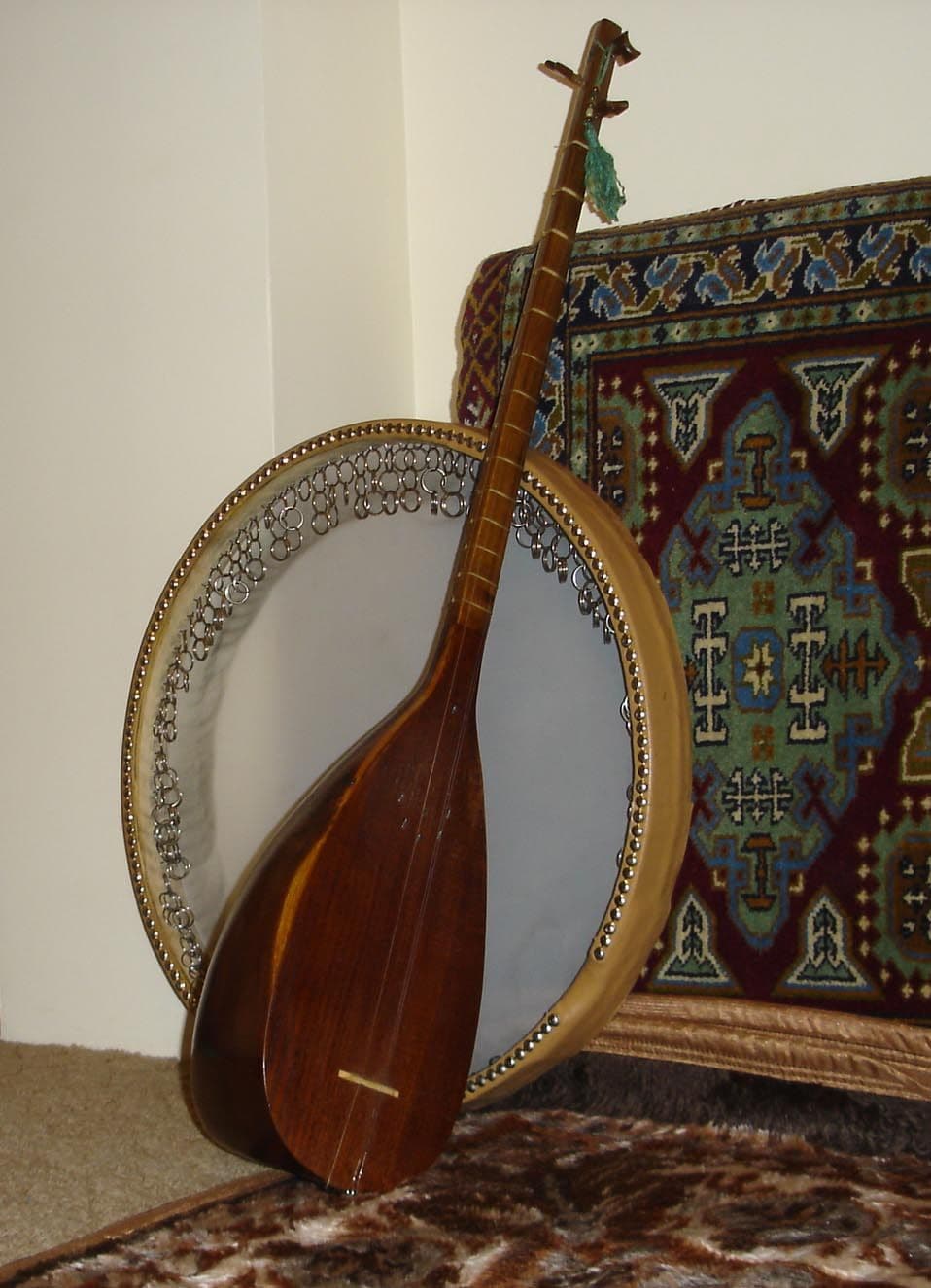
The dutar's two strings and the doira's frame-drum rhythms carry maqom, a centuries-old modal music tradition shared across Central Asia and recognized by UNESCO.
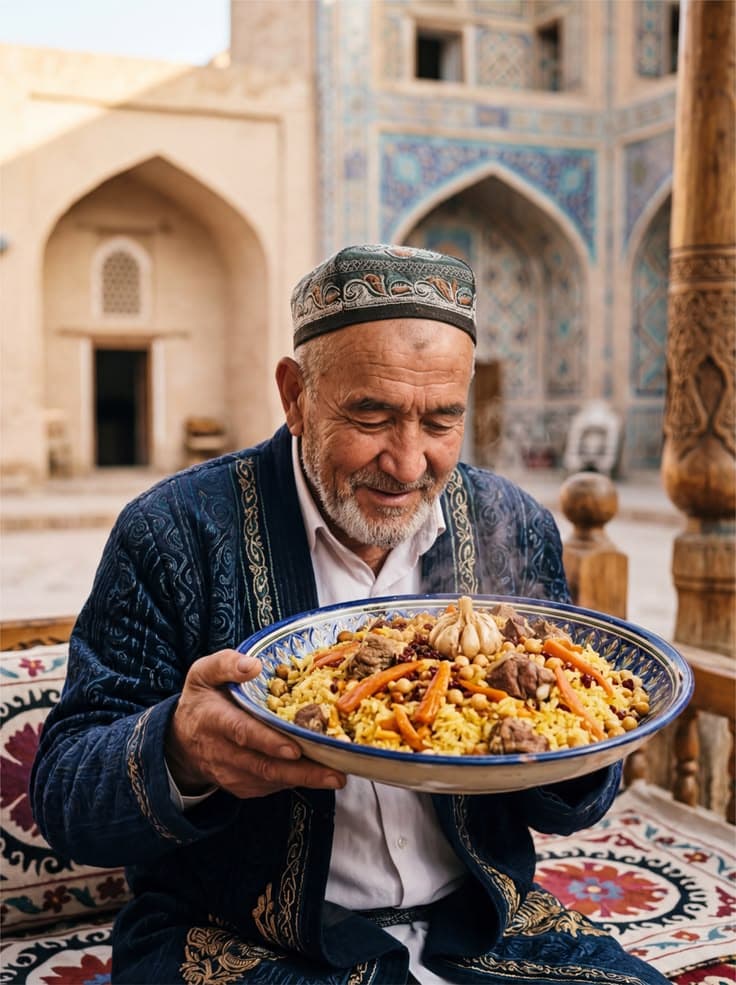
The centerpiece is almost always plov — rice slow-cooked with lamb, carrot, and cumin in a single wide kazan pot, usually made in enormous batches for weddings and gatherings. Around it sits a table of dishes built for passing plates, not eating alone.
Steamed dumplings, lamb & pumpkin
Cold hand-cut noodles with horse meat
Tiny boiled meat dumplings in broth
Tandoor-baked bread, stamped by hand
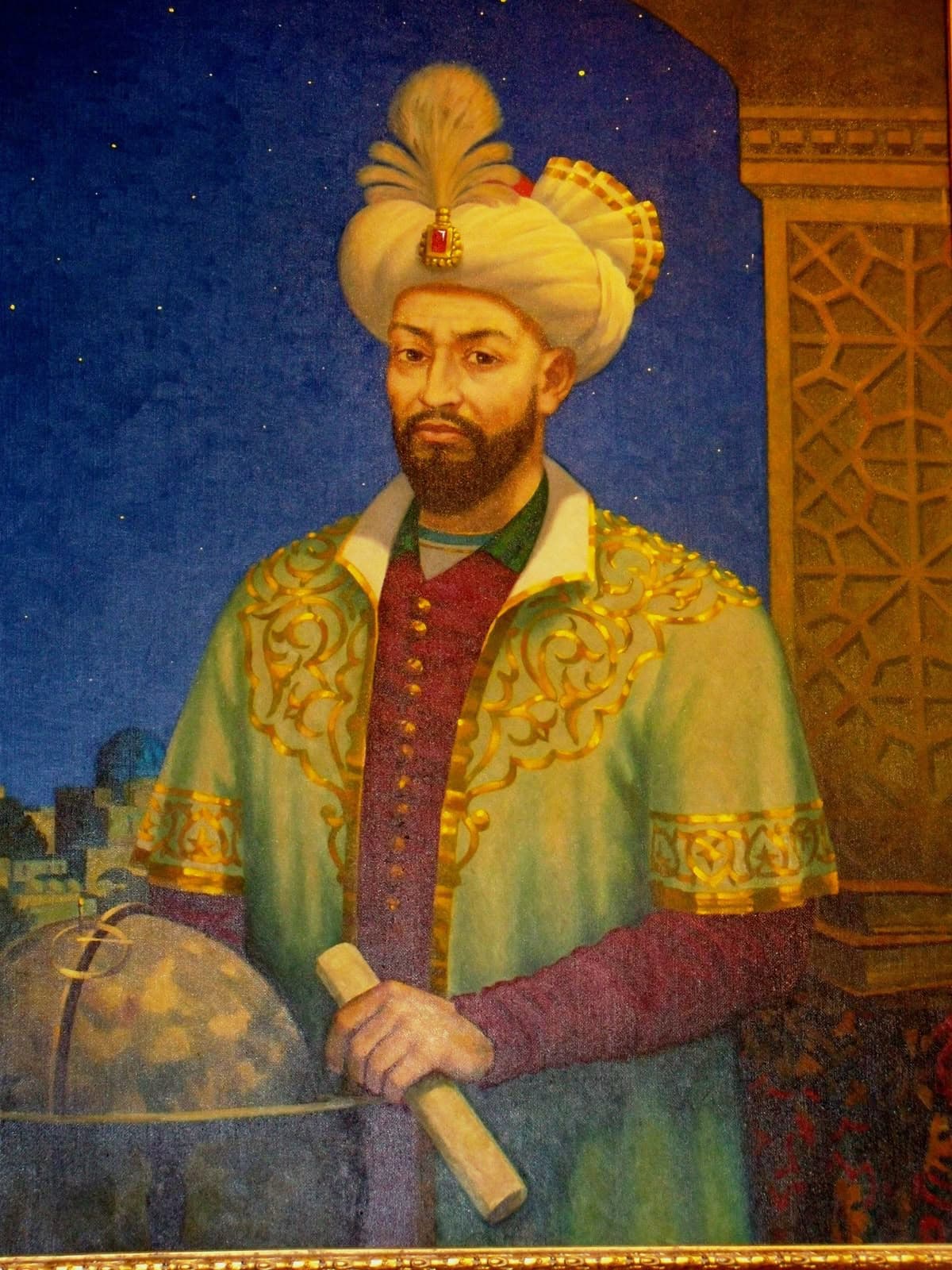
The same region that produced al-Khwarizmi and Ulugh Beg — the astronomer-king who built one of the medieval world's most accurate observatories in Samarkand — still treats mathematics and the sciences as a point of national pride.
Today, institutions like the National University of Uzbekistan, Tashkent State Technical University, and the Academy of Sciences anchor a growing research and STEM education push.
Uzbek students regularly place at international olympiads in physics and mathematics — part of why hosting FIPHO here feels less like a departure and more like a homecoming.
A handful of places worth building your trip around.
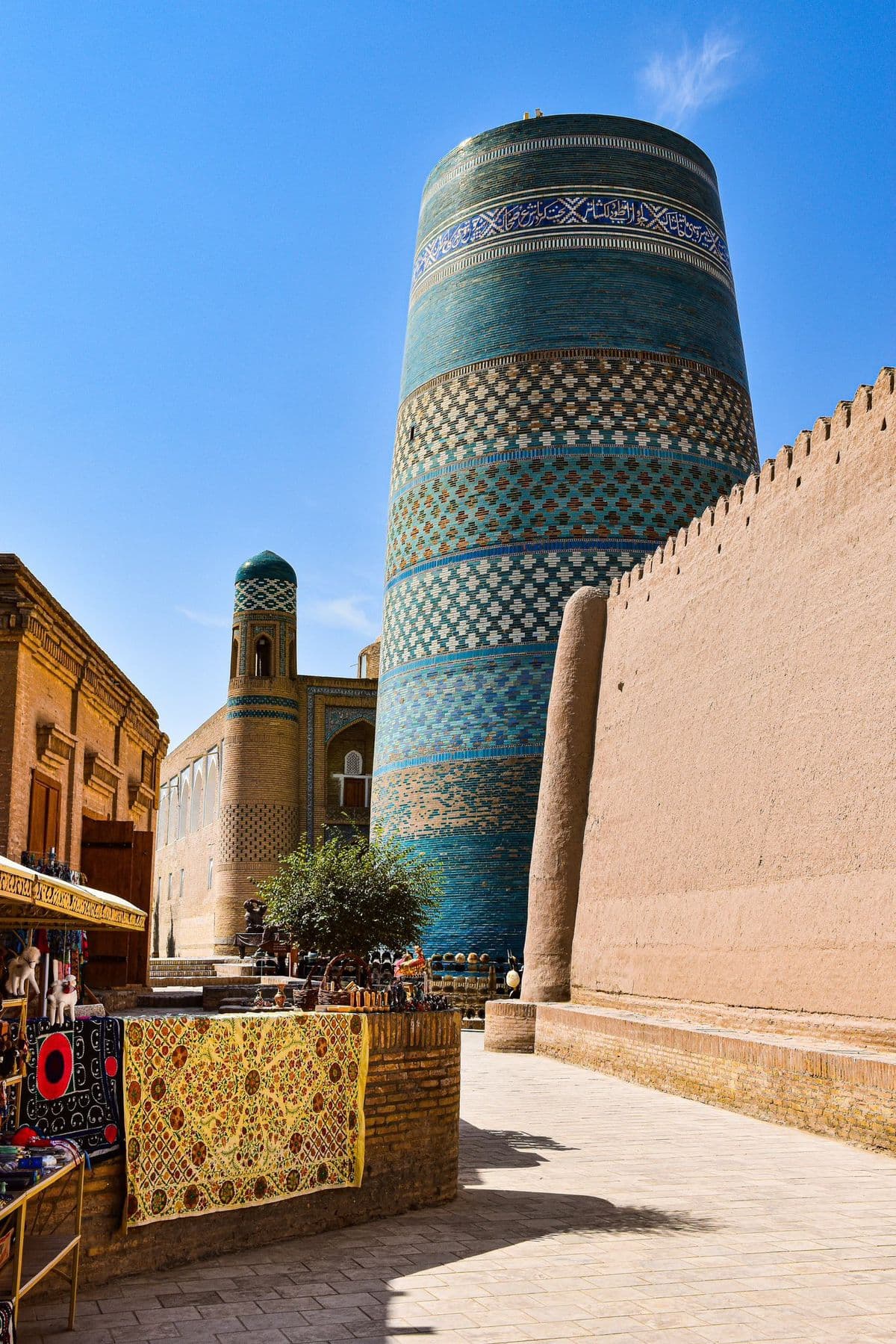
The walled inner city of Itchan Kala is a single, near-intact museum town of mud-brick palaces and minarets — small enough to cross on foot in an afternoon.
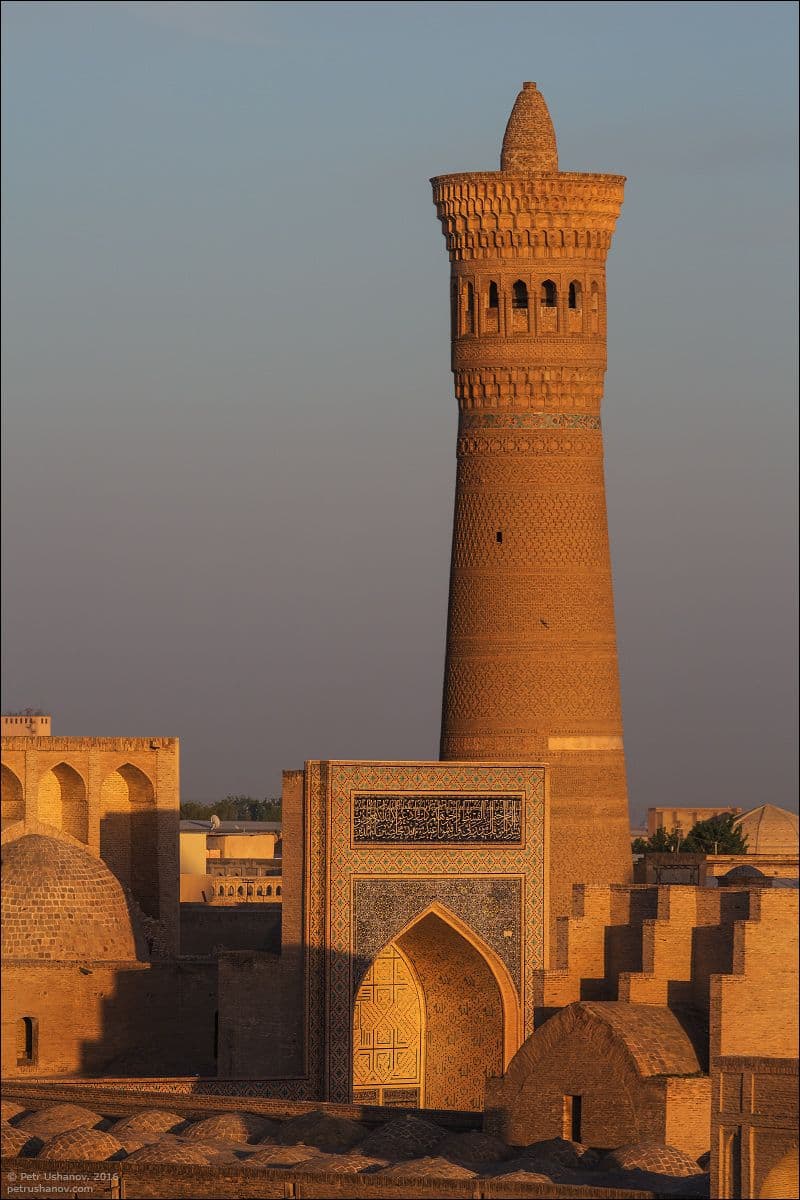
Over 140 protected monuments sit around the Poi-Kalyan complex, where the Kalyan Minaret once guided caravans home from miles out on the steppe.
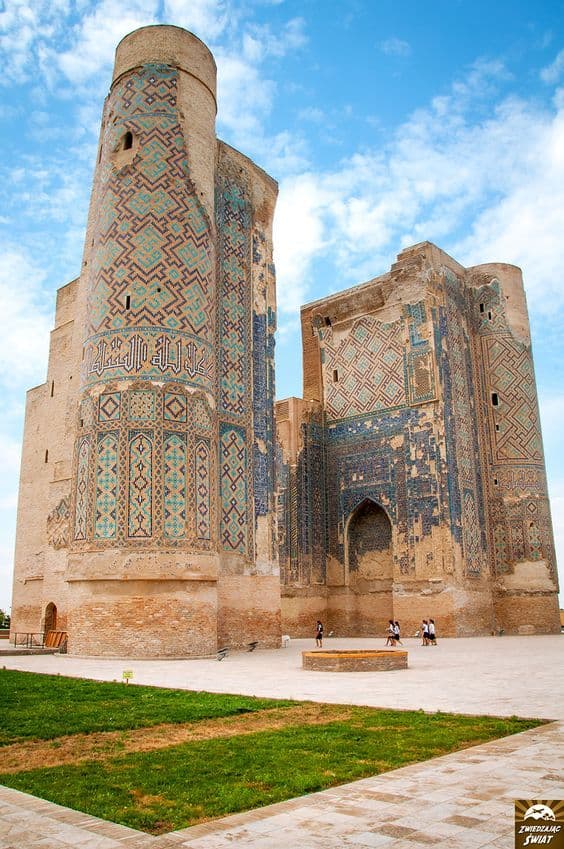
Amir Timur's birthplace, home to the ruined but still enormous Ak-Saray Palace gate — built to be the largest of its age.
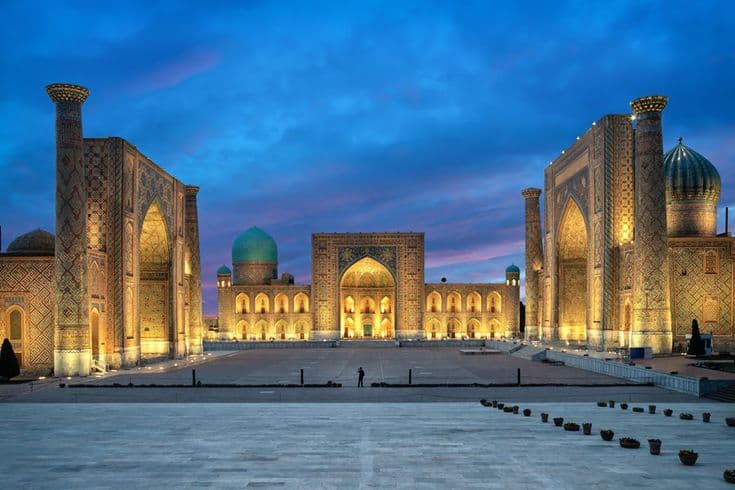
Registan Square's three madrasas face each other across a single plaza — arguably the most photographed square in Central Asia, and worth seeing at both dawn and dusk.
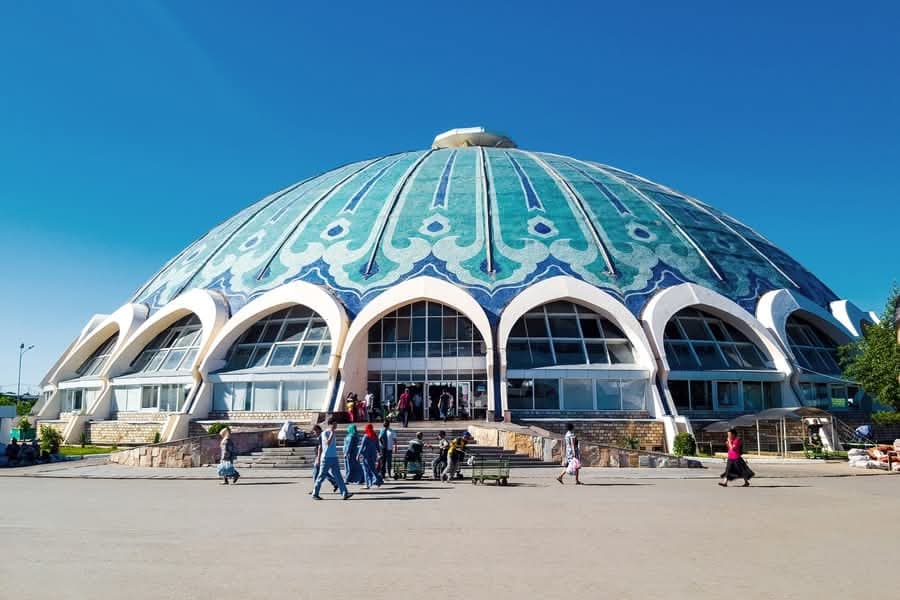
The capital pairs Soviet-era mosaics with a metro system built like an underground palace, plus Chorsu Bazaar's sprawling blue-domed market hall.
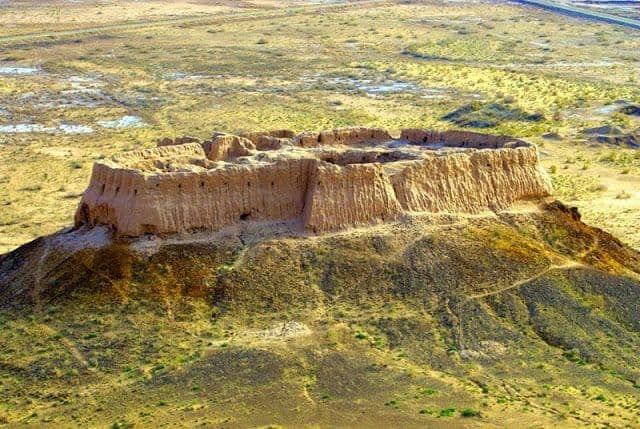
Ancient desert fortresses in Karakalpakstan, dramatic ruins rising from the sands.
The logistics, sorted.
Most nationalities can enter visa-free for up to 30 days or apply for an e-visa online in a few days. FIPHO participants receive additional visa support directly through the organizing committee.
Tashkent International Airport connects to most major hubs. High-speed Afrosiyob trains link Tashkent, Samarkand, Bukhara, and Khiva in a few hours each; taxis and ride-hailing apps cover the rest.
Options range from international hotel chains in Tashkent to family-run guesthouses inside the historic quarters of Bukhara and Khiva. FIPHO accommodation details go out with event registration.
The currency is the Uzbekistani Som (UZS). Cards work at hotels and city restaurants; carry cash for bazaars, smaller towns, and taxis. ATMs are common in every major city.